Why I Choose Matte Varnish for My Abstract Paintings
At some point, every painter develops strong opinions about varnish. Gloss, in particular, inspires loyalty. It offers saturation, depth, and a theatrical sheen—the kind of finish that announces its presence before anything else has a chance to speak. I’ve experimented with it, and the attraction is clear. Yet I consistently reach for matte.
Glossy surfaces tend to dominate a space. They catch light aggressively, scatter reflections, and invite viewers to notice themselves hovering over the work. The finish often arrives before the painting does. Matte varnish behaves differently—it recedes. Color remains central, texture stays visible, and the image doesn’t shift with the angle of a window or the time of day. What remains visible is the painting itself, not a collaboration with changing light. For abstract work, that distinction matters.
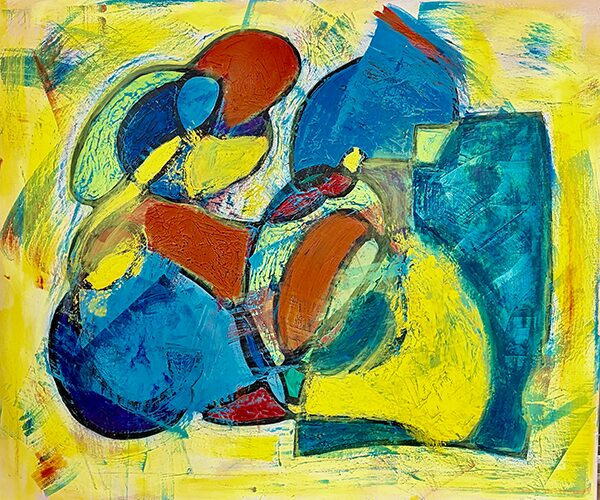
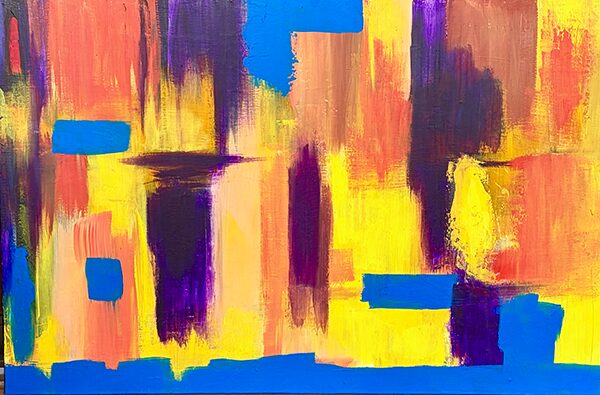
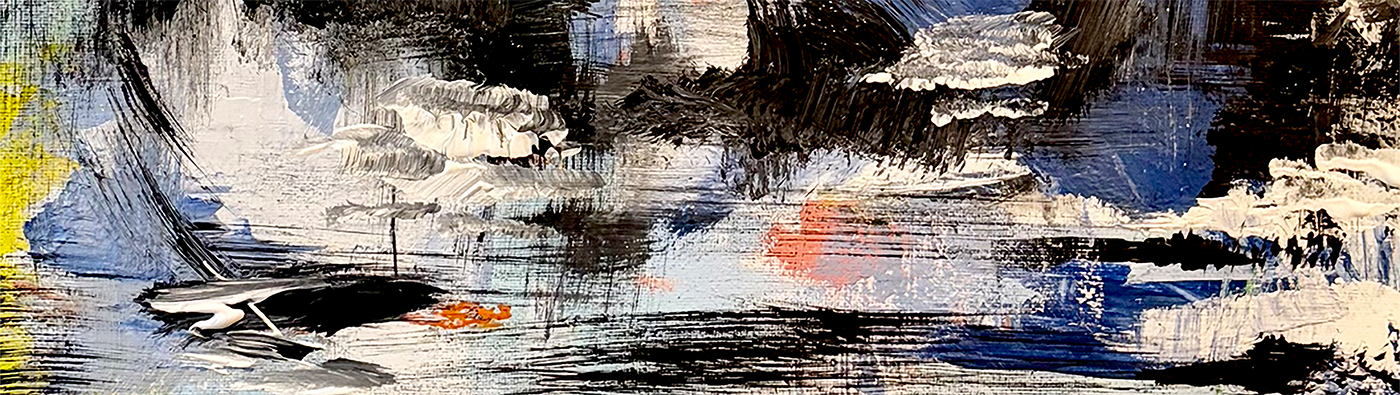
My process depends on accumulation and disruption. Layers are built, scraped back, concealed, and then reintroduced. Some passages are deliberate, while others emerge through chance. Matte varnish respects those decisions. Gloss can compress variation, softening subtle differences and merging distinct passages into a single reflective surface. Matte preserves contrast. Quiet areas remain quiet, textured passages retain their character, and every layer continues to tell its story. I explore this process further in Building History Through Layers in Abstract Painting.
High-shine finishes can impose intensity whether the painting calls for it or not. In contrast, matte maintains emotional consistency. It supports the work rather than competing with it. Colors stay grounded, gestures remain authentic, and nothing feels exaggerated for effect. My goal has never been to impress the light source. Instead, I want the painting to create a conversation with the viewer, an idea I discuss further in What Social Media Reveals About the Painting Process.
There is also a practical reason for my choice. Paintings travel, lighting changes, and every home or gallery presents different conditions. Matte surfaces are forgiving. There is no chasing reflections, no perfect viewing angle, and no special instructions needed to appreciate the work. The painting presents itself consistently wherever it hangs. If you’re interested in learning more about how protective finishes affect artwork over time, the GOLDEN Artist Colors website offers excellent information on varnishing and conservation.
Choosing matte isn’t a rejection of gloss. Rather, it’s a decision shaped by how I paint, how I build surfaces, and how I want viewers to experience the finished work. Matte doesn’t compete for attention or alter the story. It simply allows the painting to speak for itself.
That relationship between process, perception, and the finished painting continues throughout my work and is reflected in The Value of My Work as an Abstract Painter. For me, that quiet confidence is more than enough.
Available Work: