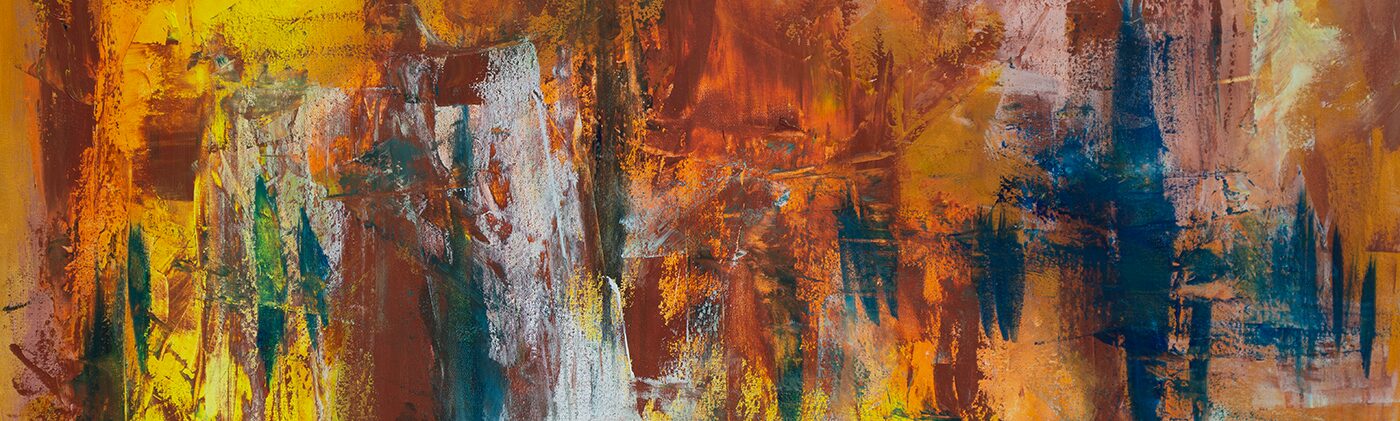
When an Abstract Painting Starts Talking Back
People often ask me what my abstract paintings mean. The question usually arrives with genuine curiosity and the hope for a clear explanation. Most expect a story, a memory, or a message that can be easily named. That expectation rarely survives my answer.Some Context First
I paint without a blueprint, which can make some viewers uneasy. There are no sketches, no predetermined composition, and no fixed destination. Every painting begins with pigment, a surface, and a willingness to let uncertainty become part of the process. I make a mark, then pay attention to what happens next. The painting responds—not with words, but with visual cues that guide every decision. That intuitive approach is central to how I work and is explored further in Starting Without a Plan: Trusting the Process in Abstract Painting.Abstract Painting Isn’t Instruction. It’s Exchange.
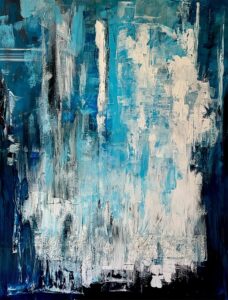
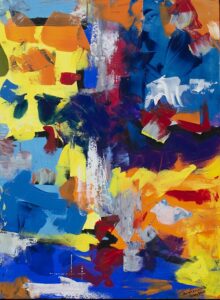
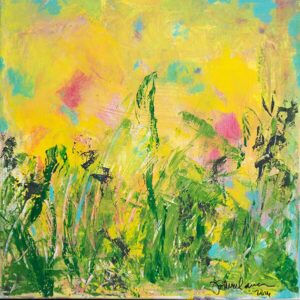
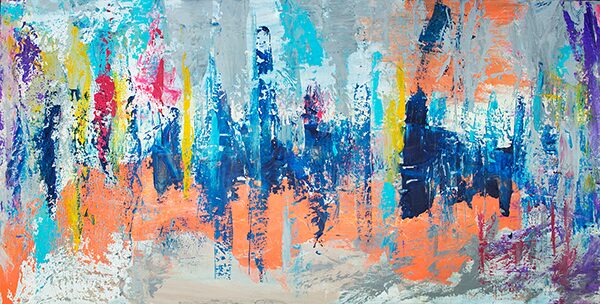
Abstract painting doesn’t provide instructions or obvious answers. Instead, it invites an experience. Colors create tension, textures suggest movement, and shapes interrupt one another in unexpected ways. Rather than searching for certainty, I encourage viewers to stay with their first reaction. Curiosity often reveals more than explanation.For readers interested in the history and evolution of abstraction, the The Art Story – Abstract Art Movement provides an excellent overview.
What You Perceive Reveals the Viewer
One of the things I love most about abstract art is that every viewer brings something different to the painting. One person finds calm. Another feels challenged. Someone else insists, “I could do that.” The artwork hasn’t changed, yet every response is unique.Whether the painting comforts or unsettles, draws someone closer or encourages them to step back, it is creating a conversation. That relationship between the viewer and the artwork is also reflected in The Value of My Work as an Abstract Painter.
In the Studio, the Painting Leads
While I’m painting, I’m not delivering a predetermined message. Instead, I’m having a conversation with the canvas. Every brushstroke creates a response. Sometimes the surface invites another layer. Other times it tells me to stop, remove something, or change direction entirely.Learning when to push forward and when to step back has become one of the most valuable lessons in my practice. That relationship between surface and process continues in Building History Through Layers in Abstract Painting. The final surface is also influenced by my choice of finish, something I discuss in Why I Choose Matte Varnish for My Abstract Paintings.
So What Is the Painting Saying to You?
Forget the title for a moment. Forget what you think you’re supposed to see. Instead, notice your first reaction before your mind begins searching for explanations.That first feeling is often the beginning of the conversation.
If you’re curious about how these ideas continue to shape my work, I invite you to explore my gallery of original abstract paintings, browse available artwork, or learn more about my artistic process.